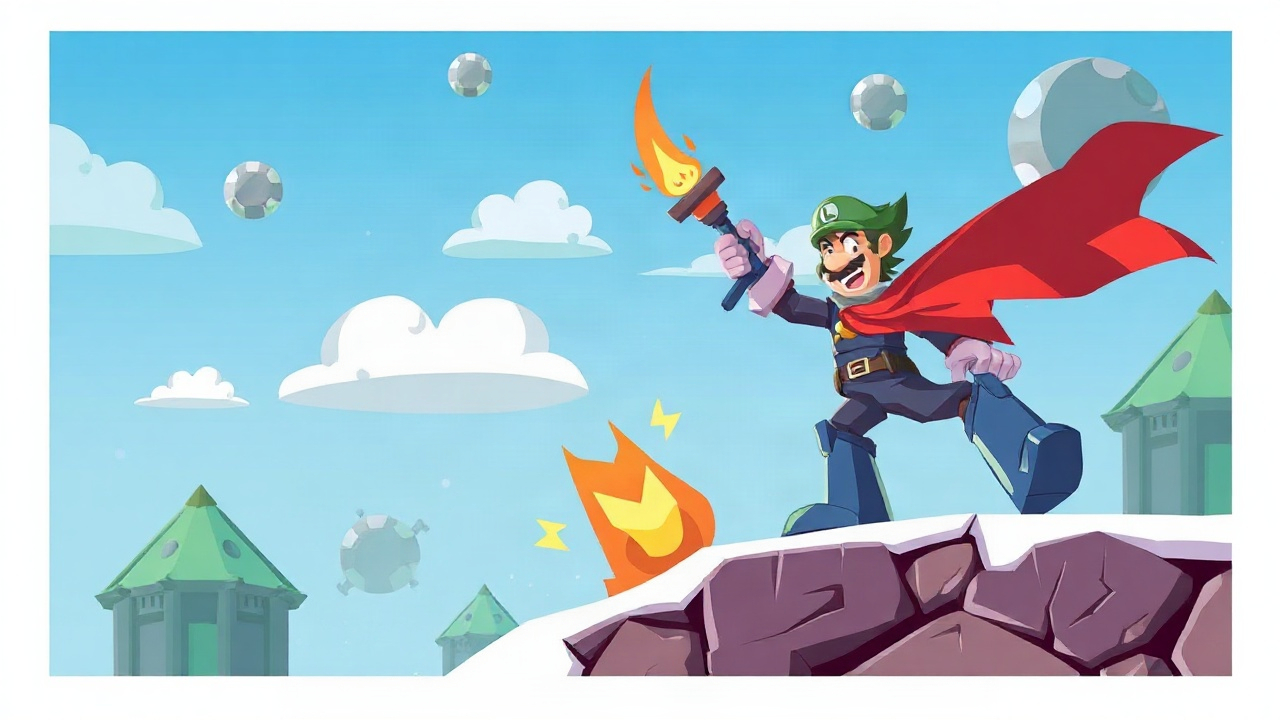
Action is a focused gaming experience for players who enjoy quick decisions, responsive movement, and challenges that reward attention. Found within the Action category on kizi10.org, it offers an easy way to spend a short session testing timing, reactions, and control. This page helps you understand the game’s style, choose a comfortable approach, and start playing with practical advice instead of wasting time figuring out what to expect.
Fast Decisions and Focused Play
The main appeal comes from staying alert. Action games often ask you to react to changing situations, recognize opportunities, and respond before a moment disappears. That makes each session feel active, even when the controls are simple. Rather than relying on lengthy explanations, the experience encourages you to learn through movement, observation, and repeated attempts.
Give yourself a moment to understand how the game responds before trying to move quickly. Notice how your character or on-screen actions react to each input, then build speed gradually. A calm first attempt can reveal useful patterns and make later runs more controlled.
What to Expect During a Session
Expect a compact challenge built around attention and momentum. Your goal is to stay engaged, make deliberate choices, and recover quickly when something goes wrong. Some moments may feel easy, while others can demand sharper timing. That changing pace keeps the game approachable for casual play while still giving skilled players a reason to improve.
For a direct start, visit the Action games page on kizi10.org. Use the first session to become familiar with the play area and the rhythm of each challenge. Once the basics feel natural, focus on cleaner movement and fewer unnecessary risks.
| Feature | Details |
|---|---|
| Gameplay style | Quick, reaction-focused challenges |
| Primary skills | Timing, attention, movement, and decision-making |
| Session pace | Suitable for short attempts or repeat play |
| Category | Action on kizi10.org |
Simple Ways to Improve Your Runs
Start by prioritizing control over speed. Rushing can cause missed opportunities, while careful movement helps you understand what the game expects. Keep your attention on the immediate challenge rather than trying to predict everything at once. When you make a mistake, identify whether timing, positioning, or distraction caused it, then adjust one habit on the next attempt.
Short practice sessions can be more useful than forcing a long run. Take breaks when your reactions become careless, and return with a clear goal. You might focus on smoother movement, quicker responses, or avoiding the same error twice. Small improvements add up and make progress feel rewarding.
FAQ
Is this game suitable for quick play?
Yes. Its action-focused format makes it a practical choice when you want an engaging session without a large time commitment.
What skills matter most?
Attention, timing, and steady control are central. Learning from mistakes also helps you handle challenges with greater confidence.
How should beginners start?
Begin slowly, observe how the game reacts to your inputs, and increase your pace once the basic rhythm feels comfortable.


0 comments:
Post a Comment